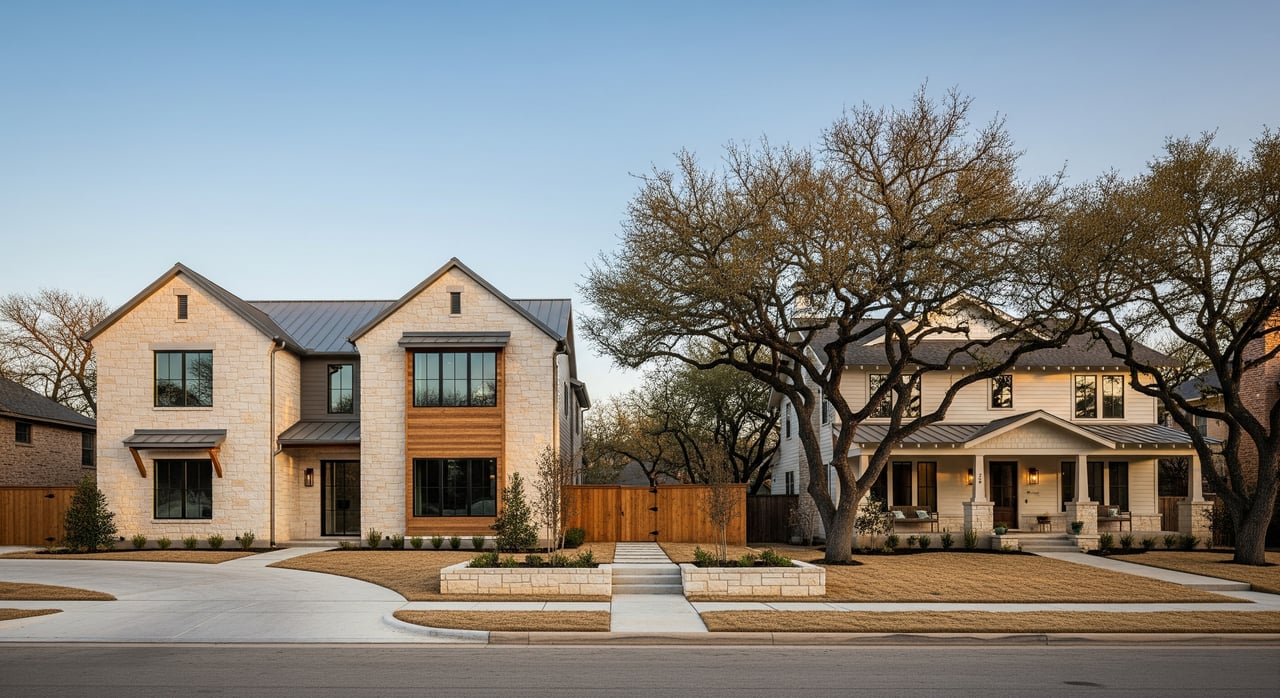
Torn between a shiny new build and a well-loved resale in Round Rock? You are not alone. With steady job growth and a steady flow of buyers moving into Central Texas, both paths can make sense for your timeline and budget. In this guide, you will learn what to expect with builder incentives, warranties, taxes and MUDs, timelines, resale value, and how negotiations differ. By the end, you will have a simple framework to choose your best move. Let’s dive in.
New construction in and around Round Rock often sits in master-planned communities with pools, trails, and organized amenities. You choose from a base plan, then add a lot, structural options, and design selections. The final price reflects all three, plus community fees. Understanding that structure helps you compare true costs to resale homes.
Most builders follow a common warranty format. You often see a year covering workmanship, two years on major systems, and a longer limited structural warranty. Many use third-party warranty providers that spell out what is covered, what is excluded, and how to file claims. Ask for the actual warranty document early so you can plan inspections, punch lists, and your post-close support.
Independent inspections still matter. Many builders allow a pre-drywall check and a final inspection. You will also do a walk-through to create a punch list. Document items in writing and keep copies for later warranty claims.
Builders use incentives to keep sales on pace. You might see:
Incentives change with market conditions, inventory, and timing. Spec and model homes are often more negotiable than to-be-built homes. Some offers require you to use the builder’s preferred lender. Always compare the total cost, not just the headline credit. Get every promise in writing and confirm the lender’s lock terms, fees, and conditions before you commit.
Your timeline depends on the stage of the home:
Delays can happen. If you have a firm move date, an inventory home or a resale may fit better. If your plan is flexible, a build-to-order home lets you pick finishes and sometimes structural options that match your long-term needs.
Resale homes offer speed and a familiar neighborhood feel. If you want to move fast or prefer mature trees and established streets, resale can be a smart path.
Most resale purchases with financing close in about 30 to 45 days when things go smoothly. You can negotiate price, closing date, earnest money, and credits with a private seller. Inspections are a key leverage point. You can ask for targeted repairs or credits in lieu of repairs to keep your timeline intact.
Older homes can offer larger lots, established landscaping, and stable surroundings. You may also find more room to negotiate compared to a builder’s set pricing structure. That said, plan for immediate maintenance and updates. A thorough inspection, plus seller disclosures and past utility bills, helps you forecast first-year costs.
Resale homes often have deeper comparable sales that support appraisal. Newer subdivisions can have thin or fast-changing comps thanks to lot premiums and upgrade packages. If you go new, be ready to show how your plan, lot, and upgrades align with recent sales.
Property taxes are a major part of your monthly cost in Texas. Your bill reflects the home’s appraised value and the rates for local taxing entities. In Round Rock, that can include the county, city, school district, and sometimes a special district.
The takeaway: verify the exact tax and fee picture for the specific lot or address you want, not just the neighborhood in general. That way you compare apples to apples.
Builder pricing includes base price, lot premium, structural options, and design selections. Incentives are often credits that reduce your cash to close or monthly payment. To compare your net cost, calculate:
Sometimes the builder’s lender offers a real edge. Other times, an independent lender beats it when you include all fees. Ask for written loan estimates on the same day and compare line by line.
Your leverage depends on sales velocity, inventory, and timing within the community’s life cycle. Common wins include rate buydowns, closing credits, design center dollars, and lot premium discounts on inventory homes. The base contract is often the builder’s form with limited changes, so clarity matters. Confirm what counts as a finished home, how deposits are handled, and how delays are treated. Document all incentives and conditions in writing.
Watch for model closeouts and end-of-quarter periods when flexibility can rise. Coordinate your sale and purchase timelines early. Builders may offer flexible possession, especially on inventory homes, if it helps them meet a target.
Price is directly negotiable and inspection findings can shift terms. You may secure repairs, credits, or both. Appraisal strategy also matters if you are offering near or above list. You can negotiate earnest money, contingencies, and possession timing to fit your move.
If you need keys soon, resale or a completed inventory home usually wins. If you can wait for construction, new builds reward patience with modern systems and customization. Map your lease end, job start, or school calendar to your target closing window. If you plan to sell a current home, build in buffer time for showings, repairs, and your buyer’s financing.
Practical steps:
Whether you choose new or resale, think long-term. In Round Rock, proximity to major corridors, employment centers, and community amenities can influence demand. So do lot characteristics and home features.
Focus on:
Use these questions to choose with confidence:
You deserve clear advice that aligns with your life and your balance sheet. Our approach is hands-on and strategic. We help you:
Ready to make a confident move in Round Rock? Schedule a Strategy Session with Courtney Unangst and get a plan tailored to your timing, budget, and long-term goals.
We pride ourselves in providing personalized solutions that bring our clients closer to their dream properties and enhance their long-term wealth. Contact us today to find out how we can be of assistance to you!