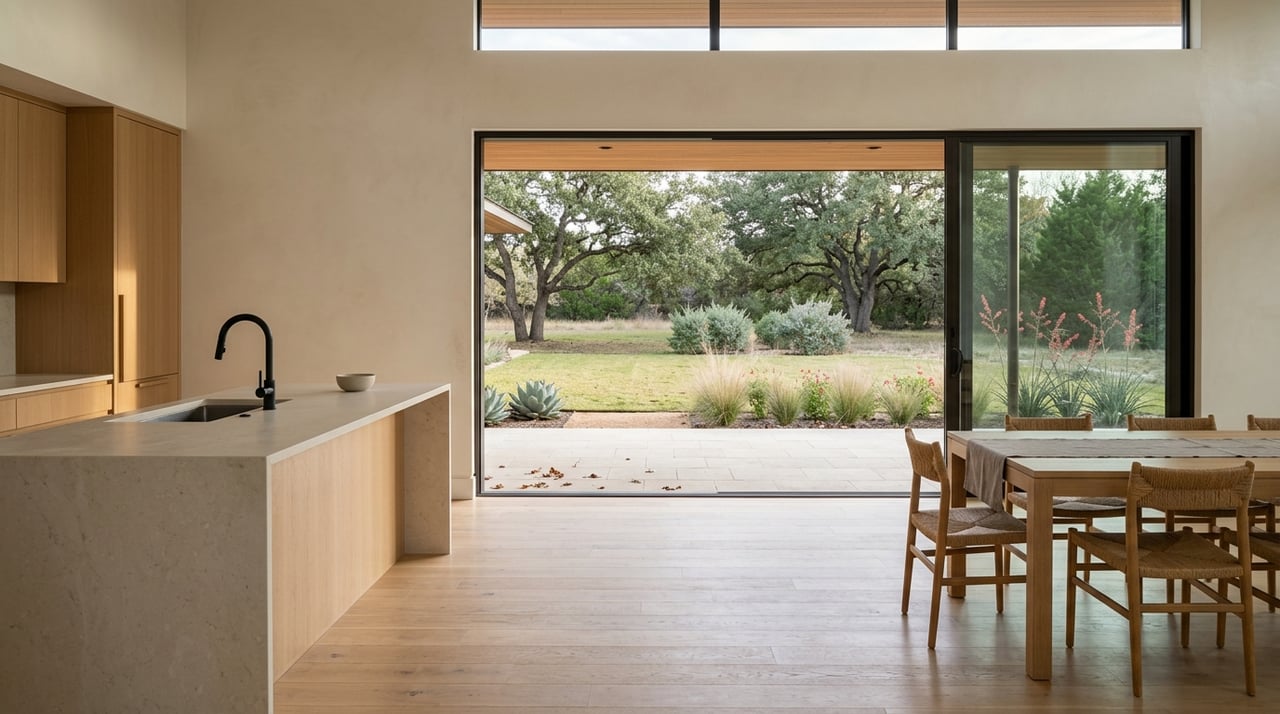
Wondering how to make your Driftwood home stand out to Hill Country buyers? In a market where buyers can compare homes closely and often form opinions online before they ever visit, staging is not just about tidying up. It is about helping buyers see the lifestyle your property offers, from the views and land to the way the home lives day to day. If you are preparing to sell in Driftwood, this guide will show you what to prioritize, where to spend your effort, and how to present your home with purpose. Let’s dive in.
Driftwood is a small community in Hays County in the heart of the Texas Hill Country, known for rolling hills, vegetation, and dark skies. That setting shapes what buyers notice. When someone shops for a home here, they are not only evaluating square footage and finishes. They are also buying into land, views, outdoor use, and the feel of the property.
That matters even more in the current local context. As of May 2026, Hays County had 5.2 months of inventory, 68 days on market, and homes were selling at 94.6% of original list price. Those numbers suggest buyers have choices, which means presentation can influence how your home compares against nearby options.
Staging also helps buyers make an emotional connection. According to the 2025 NAR staging report, 83% of buyers’ agents said staging made it easier for buyers to picture a property as their future home. That is a big reason thoughtful prep can support both buyer interest and perceived value.
Many buyers begin their search on a screen, not at your front door. NAR reported that buyers were expected to view a median of 20 homes virtually before purchasing. For Driftwood sellers, that is especially important because relocation and out-of-area buyers may narrow their list long before they visit in person.
Photos, video, and virtual tours all shape first impressions. In the same NAR report, buyers’ agents said photos, traditional staging, videos, and virtual tours were important listing tools. If your home looks bright, clean, and intentional online, you give buyers a reason to schedule a showing instead of scrolling past.
That also means your in-person presentation needs to match the media. Buyers who fall in love with the photos expect the same home when they arrive. A strong listing strategy keeps the online story and the showing experience aligned.
In Driftwood, the property itself is part of the product. Buyers are often drawn to the setting just as much as the house, so your staging plan should help them understand how the land and outdoor areas can be enjoyed. Think of the acreage as part of the floor plan.
Start by making the exterior feel cared for and easy to read. Trim brush where needed, edge paths, clean gates and fences, and store hoses or equipment out of sight. The goal is not to overdo it. The goal is to make the property feel usable, maintained, and welcoming.
Outdoor living spaces deserve special attention too. Functional exterior areas have become more important, and outdoor spaces are among the key areas to stage. A simple seating setup on a patio, a clean dining area, or a tidy spot to take in the view can help buyers imagine everyday life there.
The front yard and entry create your home’s opening impression. NAR notes that the front yard can make or break a listing, with the front door serving as a focal point. In a place like Driftwood, where homes may sit on larger lots, that first visual cue helps signal the level of care buyers can expect throughout the property.
A few basics go a long way:
You do not need a major redesign. You need a cohesive, clean look that helps buyers feel confident from the start.
Not every room needs the same level of effort. NAR’s 2025 staging data shows the most important rooms to stage are the living room, primary bedroom, and kitchen. Dining rooms and outdoor spaces also matter, while secondary bedrooms usually have less impact.
That is good news if you want to stage strategically. Instead of trying to perfect every corner of the home, focus on the spaces that shape first impressions and daily lifestyle. This usually creates the strongest return on your time and budget.
Your living room often carries the emotional weight of the showing. It should feel open, bright, and easy to understand. Remove extra furniture if the room feels crowded, simplify decor, and let natural light do more of the work.
The primary bedroom should feel restful and spacious. Use simple bedding, reduce personal items, and clear surfaces like dressers and nightstands. Buyers do not need to see your routines. They need room to imagine their own.
The kitchen should look functional and clean, not overfilled. Clear countertops as much as possible, remove small appliances you do not use daily, and keep visible storage neat. Even if the finishes are not brand new, a clean and edited kitchen feels more appealing.
These areas help buyers picture gatherings, meals, and everyday enjoyment. Keep furniture scaled to the space and avoid too many accessories. In Driftwood, a clean outdoor dining or seating area can be just as persuasive as an interior room.
Many Driftwood homes have ranch, farmhouse, or Hill Country design elements that buyers already like. You do not need to strip away the home’s personality. You just want to make that character easier to see.
A good rule is to keep the charm and remove the noise. Clear off countertops, simplify shelves, edit wall decor, and depersonalize where needed. NAR’s staging guidance emphasizes cleaning, decluttering, repairing, depersonalizing, and updating over heavy styling, and that approach works especially well here.
If a room feels busy in person, it will usually look even busier in photos. Cameras tend to magnify clutter and awkward furniture placement. A lighter visual load helps the home feel calmer, larger, and more move-in ready.
They do. NAR’s photo-shoot guidance is clear that the camera exaggerates clutter and poor arrangement, which means even a comfortable home can look jumbled online. Before media day, open blinds, reduce distractions, and make sure each room has a clear purpose.
A few pre-photo steps can make a major difference:
This is one reason staging and marketing work best together. Strong listing media starts with a well-prepared home.
Full professional staging is not the only path. NAR notes that self-staging, professional staging, and virtual staging can all help buyers picture the home. The right choice depends on your home’s condition, your timeline, and how much support you want.
For many sellers, targeted staging is enough. A home may only need styling in the key rooms, plus decluttering, cleaning, and better furniture placement elsewhere. That can create a polished result without turning staging into an all-or-nothing project.
Budget matters too. NAR’s 2025 survey found the median cost for a professional staging service was $1,500, while the median cost was $500 when the seller’s agent handled staging personally. That makes a focused, strategic plan especially appealing if you want to control costs while still improving presentation.
Staging does not guarantee a specific outcome, but it can improve how buyers respond to your listing. In NAR’s 2025 report, 19% of sellers’ agents said staging increased the dollar value offered by 1% to 5%. The same report found that 30% saw a slight decrease in time on market and 19% saw a greatly decreased time on market.
Just as important, staging helps your home compete on emotion and clarity. Buyers today often expect homes to look staged, and many feel disappointed when a property does not match that standard. In a market where buyers have options, polished presentation can support stronger momentum from day one.
If you want a simple place to start, focus on the updates most likely to improve your listing presentation:
The most effective staging plan is the one that helps buyers quickly understand both the house and the lifestyle. In Driftwood, that means showing the beauty of the Hill Country setting while making the interior feel bright, calm, and easy to imagine as home.
If you are preparing to sell, a strategic staging plan can help you protect value, sharpen your marketing, and make a stronger first impression. When you are ready for hands-on guidance and a high-touch listing strategy, connect with Courtney Unangst to schedule a strategy session.
We pride ourselves in providing personalized solutions that bring our clients closer to their dream properties and enhance their long-term wealth. Contact us today to find out how we can be of assistance to you!